
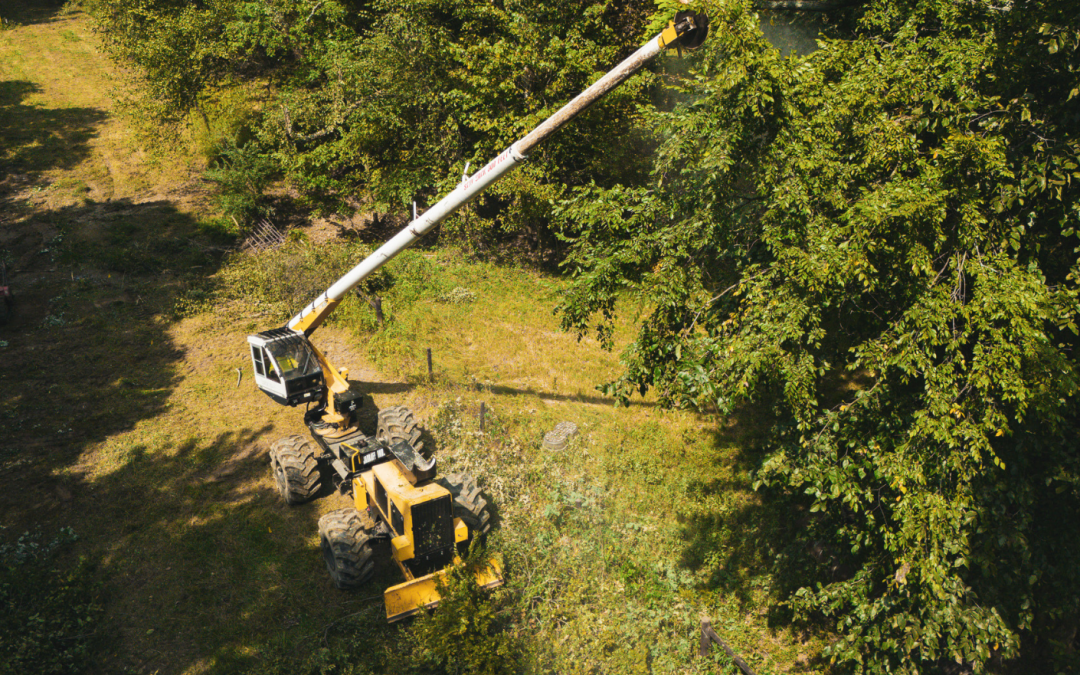
Right-of-way (ROW) clearing is a critical component of pipeline safety, asset awareness, regulatory compliance, and long-term infrastructure protection. Maintaining a clear and accessible corridor allows operators to monitor pipeline conditions, identify potential threats, and respond quickly to emerging issues.
When vegetation management is neglected or performed inconsistently, risk increases across multiple areas including safety, compliance, and operational reliability.
A well-maintained ROW is a key factor in reducing exposure to preventable incidents.
Improved Visibility Reduces Third-Party Strike Risk
One of the primary functions of ROW clearing is to maintain visibility along the pipeline corridor.
A clear right-of-way allows operators, contractors, and the public to:
- identify pipeline markers
- recognize the location of buried infrastructure
- detect encroachments or unauthorized activity
When vegetation is overgrown, visibility is reduced and the likelihood of accidental excavation damage increases.
Third-party strikes remain one of the leading causes of pipeline incidents. Maintaining a visible and clearly defined corridor helps reduce this risk by improving awareness and reinforcing the presence of the pipeline. Neglecting to maintain a clear corridor and thus visible signage is negligent.
More Effective Aerial and Foot Patrols
Pipeline operators rely on routine inspections to monitor the condition of the right-of-way.
These inspections may include:
- aerial patrols
- foot patrols
- ground-based inspections
Vegetation overgrowth can limit the effectiveness of these activities by obstructing visibility and restricting access.
A properly maintained ROW allows inspection teams to identify issues earlier, including:
- erosion and washouts
- exposed pipe
- vegetation encroachment
- unauthorized construction activity
Early identification of these conditions allows operators to take corrective action before they develop into larger operational or safety concerns.
Supports Compliance with Pipeline and Hazardous Materials Safety Administration and U.S. Department of Transportation Requirements
Regulatory agencies such as the Pipeline and Hazardous Materials Safety Administration (PHMSA) and the U.S. Department of Transportation (DOT) establish requirements for pipeline inspection, maintenance, and accessibility.
Maintaining a clear right-of-way supports compliance by ensuring that:
- inspection activities can be completed effectively
- pipeline markers remain visible
- access is available for maintenance and emergency response
- documentation and reporting requirements can be met
Overgrown corridors can create challenges during audits and increase regulatory exposure if inspection and maintenance standards are not consistently achieved.
Improved Access for Maintenance and Emergency Response
Access to the pipeline corridor is essential for both routine maintenance and emergency response situations.
Vegetation overgrowth can delay access by:
- blocking entry points
- limiting equipment mobility
- increasing time required to reach affected areas
In time-sensitive situations, delayed access can increase the severity of an issue.
A well-maintained ROW allows crews to:
- mobilize more quickly
- reach the pipeline efficiently
- perform repairs or mitigation activities without unnecessary delays
This level of accessibility is critical for maintaining operational reliability and reducing risk.
Reduced Environmental and Operational Risk
Unmanaged vegetation can contribute to environmental and operational issues, including:
- erosion and slope instability
- increased fire risk in certain environments
- damage to surrounding ecosystems due to uncontrolled clearing
- reduced effectiveness of long-term vegetation control
- increased likelihood of accidental strikes
Consistent vegetation management allows operators to stabilize the corridor and reduce the likelihood of these issues.
Strategic approaches such as integrated vegetation management and multi-year planning can further reduce long-term vegetation pressure and improve corridor conditions over time.
Long-Term Cost Reduction Through Strategic Programs
While inconsistent or reactive clearing may appear cost-effective in the short term, it often leads to higher long-term costs.
Recurring issues such as regrowth, access challenges, and corrective work increase the total cost of maintaining the right-of-way.
Structured programs, such as Lanracorp’s Smart-ROW™, focus on:
- assessing corridor conditions
- implementing targeted vegetation management strategies
- evaluating performance over time
- reducing costs over time
- providing data to make decisions strategically
- providing documentation proving the programs effectiveness to auditors or in the event of an incident
This approach reduces long-term operational risk, improves efficiency, and stabilizes maintenance costs across multiple cycles.
A Critical Component of Pipeline Risk Management
Right-of-way clearing is not simply a maintenance activity—it is a core component of pipeline risk management.
Maintaining a clear, accessible, and well-managed corridor supports:
- improved visibility and reduced third-party strike risk
- more effective inspection and monitoring
- regulatory compliance
- faster response to operational issues
- reduced environmental and long-term maintenance risk
Neglecting ROW clearing introduces avoidable challenges that can impact safety, compliance, and overall system reliability.
A consistent and strategic approach to vegetation management helps ensure that pipeline corridors remain safe, accessible, and operational over the long term.
tions Carry Premium Costs
When clearing gets postponed, projects often shift from scheduled maintenance to urgent response. Encroachments might block inspection visibility or limit emergency access. Regulatory findings can suddenly accelerate timelines.
Emergency mobilization typically includes:
- Rapid crew deployment
- Reallocation of equipment from other projects
- Extended work hours
- Additional supervision and documentation
These compressed schedules kill efficiency. Contractors have to disrupt existing production plans, which increases cost exposure for everyone involved.
Planned mobilizations are structured and efficient. Emergency mobilizations? Not so much.
Regulatory and Compliance Exposure Expands
Clear corridors support aerial patrols, ground inspection, and integrity assessments. When vegetation blocks these activities, compliance risk shoots up.
Delayed contracts may result in:
- Reduced visibility during inspection cycles
- Delayed anomaly response
- Additional corrective work following audit findings
- Increased reporting and documentation requirements
- Increase in accidental strikes due to hidden line markers and a right of way that is hard to see due to excessive vegetation blocking markers and line of site
Regulatory attention often requires accelerated clearing under stricter oversight. According to the U.S. Department of Transportation, maintaining clear pipeline corridors is essential for safety inspections and emergency response. This regulatory pressure adds administrative cost and operational headaches.
Proactive contracting reduces compliance volatility, decreases liability and safety risks, and keeps regulators happy.
Contractor Availability Narrows Late in the Season
Specialized ROW contractors operate on annual production schedules. As the year progresses, available crews and equipment get scarce.
Delaying ROW clearing contracts can result in:
- Reduced scheduling flexibility
- Higher unit pricing due to constrained availability
- Inconsistent crew assignments
- Reduced opportunity for long-term pricing agreements
Securing a contract early allows for structured planning, equipment allocation, and efficient sequencing. Late-season contracting reduces your leverage and increases uncertainty.
Availability affects cost control more than most operators realize.
Data Integration and Scope Accuracy Decline
Modern ROW programs rely on GIS data, drone reconnaissance, field audits, and historical production benchmarks. Integrating this information into a clearing scope requires solid coordination between operations and contractors.
When contracts are delayed:
- Field verification gets rushed
- Scope details end up incomplete
- Environmental considerations get addressed under compressed timelines
- Change orders become more likely
Incomplete planning creates financial unpredictability. Detailed scope development reduces variance and protects your budget.
Early contracting supports disciplined data integration.
Long-Term Corridor Integrity Gets Compromised
Vegetation management is cyclical. Skipping or delaying a cycle doesn’t eliminate cost. It just defers and amplifies it.
Overgrown corridors can lead to:
- Root intrusion near infrastructure
- Increased risk of third-party encroachment and strikes
- Reduced patrol visibility
- Greater soil disturbance during later clearing
Restoring a neglected corridor often requires more aggressive mechanical intervention, which means increased environmental controls and erosion mitigation costs.
Maintaining consistency in clearing cycles protects both operational performance and long-term cost stability.
The Strategic Advantage of Early Commitment
Delaying ROW clearing contracts might look like it preserves short-term capital. In practice, it introduces hidden costs that erode budget efficiency and increase operational risk.
Early contract execution provides:
- Predictable production scheduling
- Stable pricing structures
- Coordinated environmental planning
- Reduced emergency exposure
- Consistent corridor maintenance cycles
Right-of-way clearing isn’t simply vegetation removal. It’s a core operational safeguard for pipelines and utilities.
The financial impact of delay rarely shows up in a single invoice. It appears across production inefficiencies, regulatory pressure, and corridor degradation over time.
Structured, early contracting protects infrastructure, supports compliance, and maintains budget discipline throughout the operational year.
Ready to Protect Your Assets?
Don’t let delayed ROW clearing create hidden costs and compliance headaches for your operation. Our team specializes in efficient, data-driven vegetation management that keeps your corridors clear and your budgets predictable.
Contact us today to discuss your 2026 ROW clearing needs and secure competitive pricing before contractor availability tightens.